
How To Find The Perfect Stove Fireplace On The Internet
페이지 정보
작성자 Janette 작성일24-02-02 14:16 조회8회 댓글0건관련링크
본문
Stove Fireplaces - How to Choose, Install and Maintain a Stove Fireplace
A fireplace in the stove is an ideal way to heat your home. To start a fireplace crush some newspaper and place it on the grate. Put a pyramid of tinder on top, and keep the vents of your stove open to increase the heat.
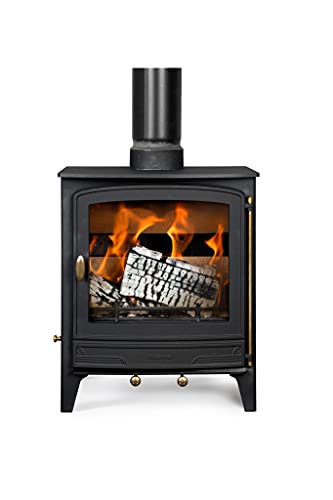 Utilize dry or seasoned wood to avoid the buildup of creosote in the chimney. Avoid opening the damper while the stove is hot since this allows heat to escape and release poisons into the room.
The choice of a wood burning stove
A fireplace in the stove can add character and comfort into the space. However, it is important to select the best stove for the job. There are several aspects to consider, such as the size, type and installation. When choosing a stove safety is another important aspect to take into consideration.
The first thing you need to decide is whether you want to install an insert or a freestanding stove. Inserts are typically installed inside of a existing fireplace while freestanding wood burning stoves can be put in any place within the structure. Freestanding stoves have more flexibility than inserts, such as the ability to cook and better radiant heat. They can also be used to heat water and are a good alternative in the event of power failures. Some examples of modern freestanding wood burning stove near me (http://intranet.welfarebox.com/bbs/board.php?bo_table=develop&wr_id=210260) stoves include Antonio Citterio's take on American Shaker stoves and Danish brand Wittus's suspended bulbous stove on starchitect Bjarke Ingels' Copenhagen houseboat.
Another thing to take into consideration when selecting a stove is the amount of space you want to heat. Small stoves are ideal to heat a small space or cabin, whereas larger wood stoves can be used to warm larger homes. Larger wood stoves are generally better suited to grander homes and those that have draft issues.
After you have determined the amount of space you would like to heat, you can select a stove. It is important to note that an appliance that is too big for the space can overheat and generate excessive heat. This results in poor energy utilisation and increased fuel expenses. This problem can be avoided by using an appliance calculator or obtaining advice from experts on the proper size.
It is also essential to select a stove which is in compliance with the minimum standards of emissions regulation. All stoves sold in the UK must be in compliance with the standards set by Ecodesign that ensures higher efficiency and lower emissions than older models. Look for the 'ClearSkies' label when you are choosing the latest stove.
Installation
The installation of a fireplace stove can be a complex job that requires specialist skills. It is important to choose a professional installer who can ensure that your wood stove is installed correctly and complies with local building codes. Your installer will need to install the stove as well as a flue lining and ensure that the chimney's dimension is appropriate. The chimney and flue liner must be made of materials that are able to withstand the high temperatures produced by combustion and are suitable for use with a stove fire.
Before you begin the installation process, make sure that you have chosen a site for your stove. It is best to place it on the first floor of your house where you will spend the majority of your time. It is also important to choose a place that has adequate clearance from combustible surfaces. This includes flooring, furniture and walls made of panels, drywall, or plaster. Check the manufacturer's guidelines to determine the distance between combustible surfaces as well as the stove. If your stove is not listed, you must adhere to the National Fire Protection Association recommendations regarding clearances.
You should choose a non-combustible pad for your flooring beneath the stove. This must be at least 225mm wide and 250mm deep. It should be constructed of non-combustible tiles or bricks. This pad will transfer the heat from the stove to the floor, which is why it is essential that it's designed to disperse heat. The pad must be replaced as it gets worn out.
You will also want to make sure that you have enough space to store the wood that will be used to create fuel for your stove. The ideal is for the wood to be cut and dried prior to when it is used in your stove. This will help to prevent the build-up of tar inside the flue and will reduce maintenance.
If you already have a fireplace, it could be possible to fit an electric stove without the necessity of a chimney. Check the site or the office of your local council to determine if this is a feasible option for your home. If you don't have a chimney, you may install a direct stove using a flue pipe that is insulated as a chimney substitute. You should ensure that your installation is in compliance with all local and HETAS requirements before using the stove.
Safety
A fireplace with a fire creates a warm and cozy atmosphere for the holidays. It's easy to relax and enjoy the flames and the crackling of the logs, however it's important to exercise caution when using the fireplace to keep away from dangers from fire. Basic fire safety measures include smoke detectors and carbon monoxide alarms in the home and an escape plan for the family that everyone understands and practices. Children should be kept off the fireplace and wood stove. Pets and children should not be allowed to touch the flames. The chimney should be kept free of creosote.
No matter if your stove is pellet, gas or wood burning, it is recommended to have the chimney cleaned and inspected by a professional each year prior to use. A clean chimney can aid in preventing chimney fires, as well as other safety hazards such carbon monoxide poisoning. You should also clean the damper and flue regularly, as well as keeping woodstove ashes in an aluminum container that is kept outside of the house.
You should also open the flue vents whenever you are using a pellet stove or gas stove to control airflow and minimize smoke. The EPA recommends venting the chimney to the outside at least three feet away from surface that is combustible and having the top of the fireplace is lined with a liner.
Always make sure that the fire is put out completely before leaving or going home. You should also keep a class A extinguisher near you and clear it of any traces of debris to make it easy to access in an emergency.
The correct installation of the stove is also crucial. It should be correctly placed in the room and must be the proper distance from any combustible material. Do not connect your wood-burning stove to the chimney of an appliance, for example furnace or water heater. This could cause the deadly emission of carbon monoxide into your home.
It is also crucial to choose the right kind of wood. It is not recommended to burn rotten or wet logs, painted or pressure-treated lumber, or scrap wood. This can release harmful chemicals into the air of your home, which can cause respiratory irritation and irritation to your lungs.
Maintenance
Installing, buying and installing a stove fireplace is an effective method to reduce heating costs and keep your home warm. To avoid any potential hazards or damage, it is important to follow the proper maintenance procedures. This includes annual chimney inspections as well as sweeps, ensuring that the area around your wood stove is free of any flammable or smouldering materials. Also, it is important to install smoke detectors in every room of your home, keeping a fire extinguisher nearby, and cleaning the wood burning stove and the chimney that connects to it on a regular basis.
Wood stoves require less maintenance than fireplaces constructed of masonry, but they require regular maintenance to function safely and effectively. Wood multifuel stoves, although the exact procedure for cleaning will vary based on the model, will require regular cleaning of creosote accumulation within the flue and chimney. Additionally, it is important to keep the firebox free of any flammable materials and ensure that the baffle plates, riddling grate and bottom burn plate are in good shape. Examine the gaskets on the glass door to determine whether they are showing signs of wear and tear. This could allow cold air to enter your home and decrease the effectiveness of your heater.
Stove fireplaces that are not properly maintained can lead to the fire breaking out of the firebox and into the house, which poses the risk of fire damage that could lead to injuries or even death. To avoid this homeowners should make sure to follow the guidelines of the manufacturer regarding the operation of their stove. This will ensure that all combustion byproducts have been cleared from the residence and the wood stove is operating at a suitable temperature for efficient operation.
When a stove's fire is finished, it is important to wait for it to cool completely before emptying the ash tray. Ashes may contain embers even after the fire has been put out. The improper disposal of ashes is a leading cause of fires in wood stoves. Therefore it is suggested that homeowners use a metal ash container and dispose of them in a safe manner.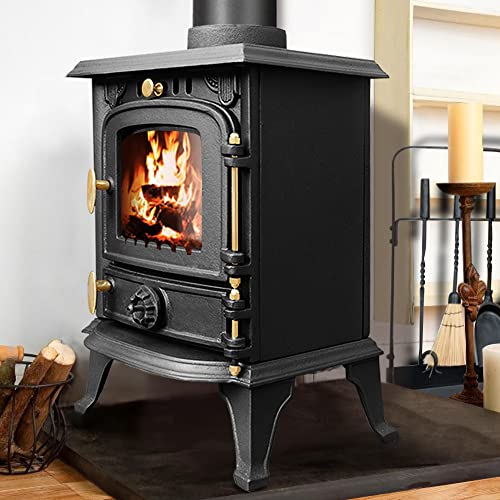
A fireplace in the stove is an ideal way to heat your home. To start a fireplace crush some newspaper and place it on the grate. Put a pyramid of tinder on top, and keep the vents of your stove open to increase the heat.
Utilize dry or seasoned wood to avoid the buildup of creosote in the chimney. Avoid opening the damper while the stove is hot since this allows heat to escape and release poisons into the room.The choice of a wood burning stove
A fireplace in the stove can add character and comfort into the space. However, it is important to select the best stove for the job. There are several aspects to consider, such as the size, type and installation. When choosing a stove safety is another important aspect to take into consideration.
The first thing you need to decide is whether you want to install an insert or a freestanding stove. Inserts are typically installed inside of a existing fireplace while freestanding wood burning stoves can be put in any place within the structure. Freestanding stoves have more flexibility than inserts, such as the ability to cook and better radiant heat. They can also be used to heat water and are a good alternative in the event of power failures. Some examples of modern freestanding wood burning stove near me (http://intranet.welfarebox.com/bbs/board.php?bo_table=develop&wr_id=210260) stoves include Antonio Citterio's take on American Shaker stoves and Danish brand Wittus's suspended bulbous stove on starchitect Bjarke Ingels' Copenhagen houseboat.
Another thing to take into consideration when selecting a stove is the amount of space you want to heat. Small stoves are ideal to heat a small space or cabin, whereas larger wood stoves can be used to warm larger homes. Larger wood stoves are generally better suited to grander homes and those that have draft issues.
After you have determined the amount of space you would like to heat, you can select a stove. It is important to note that an appliance that is too big for the space can overheat and generate excessive heat. This results in poor energy utilisation and increased fuel expenses. This problem can be avoided by using an appliance calculator or obtaining advice from experts on the proper size.
It is also essential to select a stove which is in compliance with the minimum standards of emissions regulation. All stoves sold in the UK must be in compliance with the standards set by Ecodesign that ensures higher efficiency and lower emissions than older models. Look for the 'ClearSkies' label when you are choosing the latest stove.
Installation
The installation of a fireplace stove can be a complex job that requires specialist skills. It is important to choose a professional installer who can ensure that your wood stove is installed correctly and complies with local building codes. Your installer will need to install the stove as well as a flue lining and ensure that the chimney's dimension is appropriate. The chimney and flue liner must be made of materials that are able to withstand the high temperatures produced by combustion and are suitable for use with a stove fire.
Before you begin the installation process, make sure that you have chosen a site for your stove. It is best to place it on the first floor of your house where you will spend the majority of your time. It is also important to choose a place that has adequate clearance from combustible surfaces. This includes flooring, furniture and walls made of panels, drywall, or plaster. Check the manufacturer's guidelines to determine the distance between combustible surfaces as well as the stove. If your stove is not listed, you must adhere to the National Fire Protection Association recommendations regarding clearances.
You should choose a non-combustible pad for your flooring beneath the stove. This must be at least 225mm wide and 250mm deep. It should be constructed of non-combustible tiles or bricks. This pad will transfer the heat from the stove to the floor, which is why it is essential that it's designed to disperse heat. The pad must be replaced as it gets worn out.
You will also want to make sure that you have enough space to store the wood that will be used to create fuel for your stove. The ideal is for the wood to be cut and dried prior to when it is used in your stove. This will help to prevent the build-up of tar inside the flue and will reduce maintenance.
If you already have a fireplace, it could be possible to fit an electric stove without the necessity of a chimney. Check the site or the office of your local council to determine if this is a feasible option for your home. If you don't have a chimney, you may install a direct stove using a flue pipe that is insulated as a chimney substitute. You should ensure that your installation is in compliance with all local and HETAS requirements before using the stove.
Safety
A fireplace with a fire creates a warm and cozy atmosphere for the holidays. It's easy to relax and enjoy the flames and the crackling of the logs, however it's important to exercise caution when using the fireplace to keep away from dangers from fire. Basic fire safety measures include smoke detectors and carbon monoxide alarms in the home and an escape plan for the family that everyone understands and practices. Children should be kept off the fireplace and wood stove. Pets and children should not be allowed to touch the flames. The chimney should be kept free of creosote.
No matter if your stove is pellet, gas or wood burning, it is recommended to have the chimney cleaned and inspected by a professional each year prior to use. A clean chimney can aid in preventing chimney fires, as well as other safety hazards such carbon monoxide poisoning. You should also clean the damper and flue regularly, as well as keeping woodstove ashes in an aluminum container that is kept outside of the house.
You should also open the flue vents whenever you are using a pellet stove or gas stove to control airflow and minimize smoke. The EPA recommends venting the chimney to the outside at least three feet away from surface that is combustible and having the top of the fireplace is lined with a liner.
Always make sure that the fire is put out completely before leaving or going home. You should also keep a class A extinguisher near you and clear it of any traces of debris to make it easy to access in an emergency.
The correct installation of the stove is also crucial. It should be correctly placed in the room and must be the proper distance from any combustible material. Do not connect your wood-burning stove to the chimney of an appliance, for example furnace or water heater. This could cause the deadly emission of carbon monoxide into your home.
It is also crucial to choose the right kind of wood. It is not recommended to burn rotten or wet logs, painted or pressure-treated lumber, or scrap wood. This can release harmful chemicals into the air of your home, which can cause respiratory irritation and irritation to your lungs.
Maintenance
Installing, buying and installing a stove fireplace is an effective method to reduce heating costs and keep your home warm. To avoid any potential hazards or damage, it is important to follow the proper maintenance procedures. This includes annual chimney inspections as well as sweeps, ensuring that the area around your wood stove is free of any flammable or smouldering materials. Also, it is important to install smoke detectors in every room of your home, keeping a fire extinguisher nearby, and cleaning the wood burning stove and the chimney that connects to it on a regular basis.
Wood stoves require less maintenance than fireplaces constructed of masonry, but they require regular maintenance to function safely and effectively. Wood multifuel stoves, although the exact procedure for cleaning will vary based on the model, will require regular cleaning of creosote accumulation within the flue and chimney. Additionally, it is important to keep the firebox free of any flammable materials and ensure that the baffle plates, riddling grate and bottom burn plate are in good shape. Examine the gaskets on the glass door to determine whether they are showing signs of wear and tear. This could allow cold air to enter your home and decrease the effectiveness of your heater.
Stove fireplaces that are not properly maintained can lead to the fire breaking out of the firebox and into the house, which poses the risk of fire damage that could lead to injuries or even death. To avoid this homeowners should make sure to follow the guidelines of the manufacturer regarding the operation of their stove. This will ensure that all combustion byproducts have been cleared from the residence and the wood stove is operating at a suitable temperature for efficient operation.
When a stove's fire is finished, it is important to wait for it to cool completely before emptying the ash tray. Ashes may contain embers even after the fire has been put out. The improper disposal of ashes is a leading cause of fires in wood stoves. Therefore it is suggested that homeowners use a metal ash container and dispose of them in a safe manner.